Why Aerobic Systems Demand Different Maintenance
If you’ve lived with a traditional gravity-fed septic tank before, the shift to an aerobic treatment unit can feel deceptively simple at first. Both handle wastewater, both live underground, and both require occasional attention. But the mechanical demands of an aerobic system are in a different category entirely, and understanding that difference is the first step toward protecting your property investment.
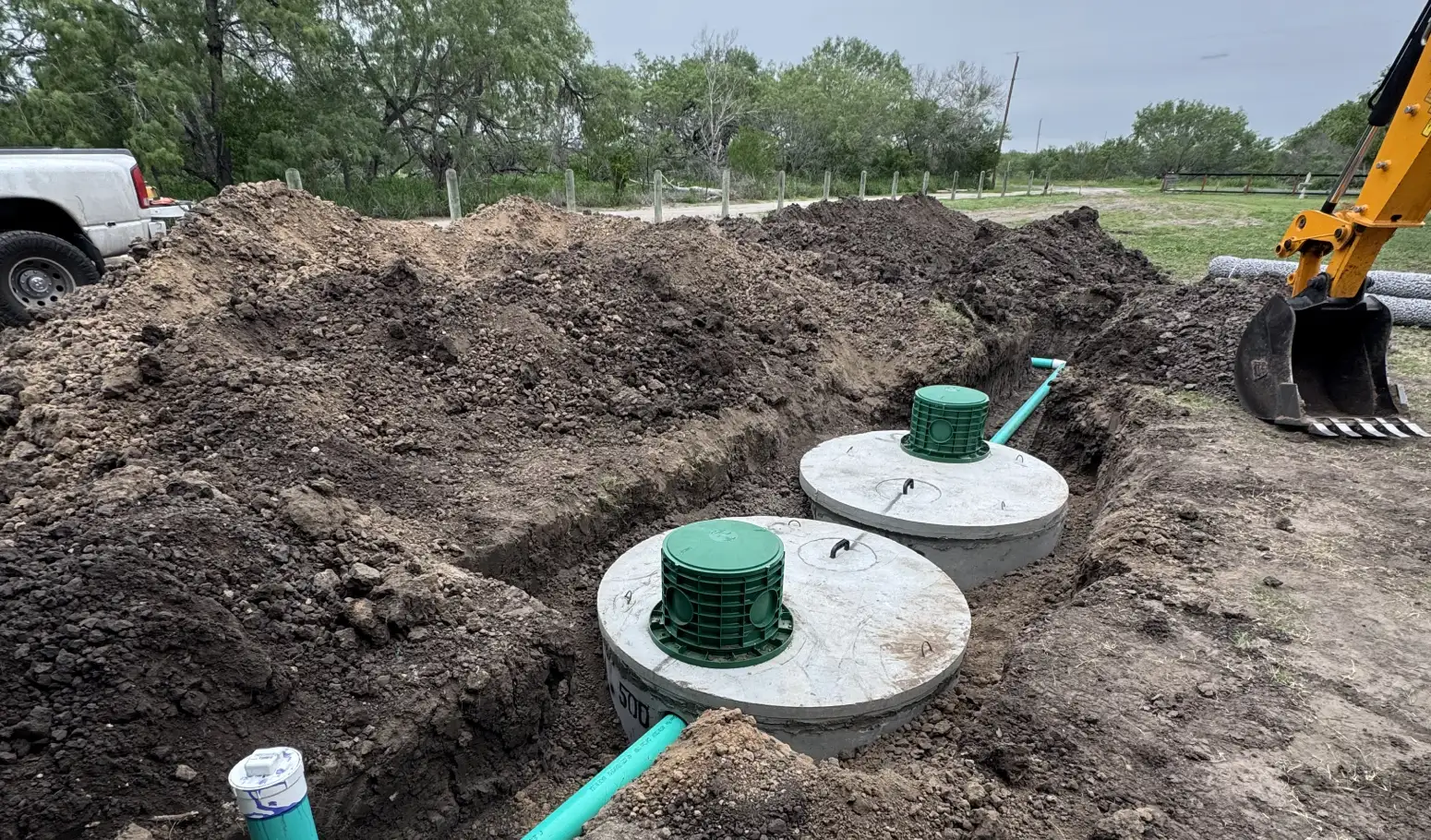
A standard septic tank relies on passive biological breakdown. Wastewater flows in, solids settle, and bacteria do their work with minimal intervention. You pump it out every few years, and that’s the extent of routine care for most homeowners. An aerobic treatment unit, by contrast, actively treats wastewater using mechanical aerators, pumps, and chlorination systems to achieve a much higher level of treatment before dispersal. That higher performance comes with moving parts, electrical components, and a complexity that requires regular, hands-on maintenance from someone who knows what to look for.
In South Texas specifically, the climate adds its own layer of challenge. The Coastal Bend’s high humidity accelerates corrosion on electrical connections and metal components. Summer temperatures regularly exceed 95 degrees, putting extra strain on motors and pumps that are already working continuously. Heavy rain events, which can deliver several inches of water in a short window, stress the entire system by flooding spray zones and overworking pumps. A system that might run for years with minimal intervention in a drier, more temperate climate needs consistent attention here to catch the small issues before they compound into failures.
What Licensed Maintenance Providers Actually Check
Texas regulations require licensed providers to inspect residential aerobic systems three times per year, roughly every four months. These aren’t courtesy visits or quick visual checks. Each inspection follows a structured protocol covering mechanical, electrical, treatment, and disposal components to verify the system is functioning within design specifications.
The mechanical inspection starts with the aerator, the heart of the treatment process. A provider checks motor function, listens for unusual sounds that signal bearing wear, and confirms the air diffuser is delivering consistent oxygen to the treatment chamber. Pumps get the same scrutiny, with attention to electrical draw, vibration, and any signs of seal leaks that could lead to failure. Timers and control panels are tested to ensure cycles are running as programmed, because even small timing errors can compromise treatment quality.
Treatment quality itself gets measured through chlorine levels. Most residential systems use tablet chlorinators to disinfect treated effluent before it’s dispersed across the yard. A provider checks the chlorine residual in the discharge to confirm it’s within the required range, typically between 2 and 5 parts per million. Too low, and you’re dispersing inadequately disinfected water. Too high, and you risk damaging vegetation or creating an environmental concern. Tablets need to be replenished regularly, and the chlorinator itself needs occasional cleaning to prevent buildup that restricts flow.
The disposal system inspection focuses on the spray heads and distribution lines. A provider runs the system through a spray cycle, watching each head for even coverage, proper rotation, and any signs of clogging from algae or mineral deposits. In the Coastal Bend’s humidity, algae growth in spray heads is a recurring issue that requires proactive cleaning. Uneven spray patterns or clogged heads don’t just create wet spots in your yard, they indicate the system isn’t dispersing effluent properly, which can lead to regulatory violations or system stress.
Just as critical as the physical inspection is the reporting. Your maintenance provider files inspection reports with your local permitting authority after each visit, documenting system condition and any corrective actions taken. This paperwork keeps your permit current and creates a compliance trail that protects you if questions ever arise. Missed or incomplete reporting can trigger permit violations even when the system itself is working perfectly, which is why the administrative side of maintenance matters as much as the technical work.
Common Aerobic System Failures and How to Prevent Them
Most aerobic system failures don’t announce themselves with dramatic signs. They creep in gradually, as small maintenance issues compound over weeks or months until something breaks down entirely. Catching these problems early, during routine inspections, is the difference between a minor adjustment and an expensive emergency repair.
Algae growth in spray heads and distribution lines is one of the most common issues in South Texas, and it’s directly tied to the region’s humidity and heat. Algae thrives in warm, moist environments, and treated effluent provides exactly that. Left unchecked, algae clogs spray heads, reduces dispersion, and forces pumps to work harder to push water through restricted lines. The fix during a scheduled visit is straightforward: cleaning the heads and flushing the lines. The cost of ignoring it is a burned-out pump or a flooded spray zone that draws attention from neighbors or local authorities.
Electrical component corrosion is another regional challenge. Coastal humidity introduces moisture into control panels, junction boxes, and motor housings. Terminals corrode, connections weaken, and what starts as intermittent operation can progress to complete failure. Regular inspections catch corrosion early, when it can be cleaned and protected, rather than after a motor has burned out from a weak connection that caused it to draw excessive current.
Mechanical wear on aerators and pumps is inevitable, but the rate of wear accelerates when systems run continuously under stress. In the Coastal Bend, summer heat pushes motors harder, and heavy rain events force pumps to cycle more frequently than they would under average conditions. Bearings wear, seals weaken, and impellers degrade. A maintenance provider monitors these wear patterns and recommends part replacement before failure, which is far less expensive and disruptive than replacing a motor that seized during a holiday weekend.
Chlorinator neglect is easy to overlook because it doesn’t create immediate, visible problems. But allowing chlorine levels to drop below the required range puts you in regulatory violation and disperses water that hasn’t been adequately disinfected. Over time, low chlorine can also lead to biological buildup in lines and spray heads, compounding other maintenance issues. Regular tablet replenishment and chlorinator inspection prevent this cascade.
The Cost of Neglect vs. the Value of Routine Care
It’s natural to think of routine maintenance as a recurring cost, especially when the system seems to be working fine. But the math tells a different story when you compare the price of scheduled inspections against the cost of neglect.
A typical aerobic system maintenance contract covers three inspections per year, all required reporting, and minor adjustments or replenishments like chlorine tablets. Over the course of a year, that’s a predictable, manageable expense. Compare that to the cost of emergency septic repair service when a neglected system fails. A burned-out aerator motor can run several hundred dollars in parts and labor. A failed pump, especially one that’s damaged related components through electrical issues or mechanical stress, can push into the four-figure range when you include emergency service premiums and the urgency of getting your system back online.
System replacement is the extreme end of the cost spectrum, but it’s not hypothetical. A severely neglected aerobic system can fail to the point where major components need replacement, or the entire treatment unit requires upgrading. Depending on site preparation needs and the complexity of the installation, a full system replacement can easily exceed ten thousand dollars. Routine maintenance, by catching issues early, extends the functional life of your system and delays or eliminates the need for that level of investment.
There’s also the regulatory side. Missed inspections or lapsed reporting can result in permit violations, fines from your local permitting authority, and in some cases, mandated corrective actions that go beyond simple repairs. Bringing a system back into compliance after a lapse is more expensive and time-consuming than maintaining compliance in the first place, and it creates a paper trail that can complicate future property transactions.
The value of routine care isn’t just about avoiding big expenses. It’s about predictability. With scheduled maintenance, you know your system is being monitored by someone who understands what to look for, and you’re never surprised by a failure at the worst possible moment. That consistency protects your property, your budget, and your time.
Choosing a Licensed Provider in Robstown and the Coastal Bend
Not every maintenance provider brings the same level of reliability or local knowledge to the job, and this isn’t an area where it’s wise to prioritize the lowest bid. You need someone who’s licensed by the state, familiar with the specific challenges of maintaining aerobic systems in South Texas, and committed to showing up reliably every four months, year after year.
Licensing is non-negotiable. The Texas Commission on Environmental Quality requires aerobic system maintenance to be performed by a licensed Maintenance Provider. That license verifies the provider has been trained in aerobic system operation, understands the regulatory requirements, and is authorized to file inspection reports on your behalf. Using an unlicensed provider, or attempting DIY maintenance, doesn’t just put your system at risk. It invalidates your permit and creates liability if something goes wrong.
Local familiarity matters more than many homeowners realize. A provider who works regularly in the Coastal Bend understands the algae growth patterns, the electrical corrosion risks from humidity, the strain that summer heat puts on motors, and the flooding challenges that come with heavy rain events. They know which spray head designs resist clogging better in this climate, which chlorinators hold up longest in high humidity, and which pumps are most reliable under the conditions your system faces every day. That regional knowledge catches problems earlier and guides better recommendations for parts and adjustments.
Reliability is the third leg of the stool. You need a provider who tracks inspection schedules, shows up on time, and handles reporting without you having to follow up. A missed inspection or a delayed report creates compliance gaps that can take months to resolve, and in the meantime, your system is running without the oversight that catches small problems before they escalate.
For property owners in Robstown, Corpus Christi, and the surrounding communities, working with a local provider who combines licensing, regional experience, and dependable service is the foundation of long-term system health. Whether you’re setting up a new maintenance contract, renewing an existing one, or addressing questions about your current system’s condition, choosing the right partner makes all the difference. If you’re ready to discuss your aerobic system’s maintenance needs, contact us for a free consultation to ensure your system stays compliant and fully functional year-round.